In 1087, sensing that death was near, William the Conqueror carefully arranged his succession. Duke of Normandy and King of England, he chose to divide his empire among his three sons.
Far from satisfying his heirs, this division fueled their rivalries and sharpened their ambitions. Each sought to expand his power and reunite his father’s inheritance under his own rule.
Caught in these fraternal conflicts, the barons found themselves torn between competing loyalties. Oaths and alliances were forged and broken according to shifting interests, creating a state of constant instability that plunged the Anglo-Norman world into civil war.
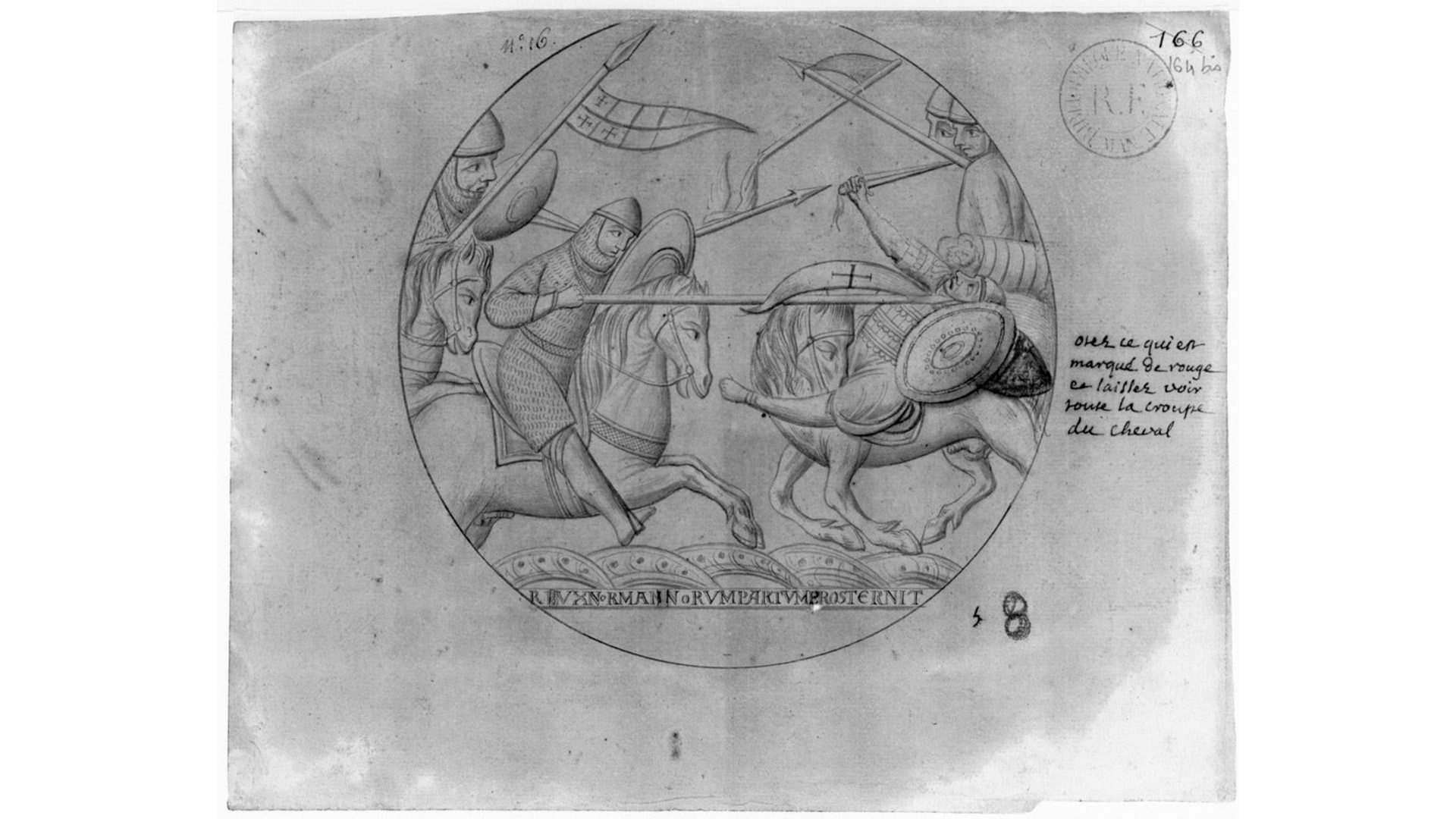
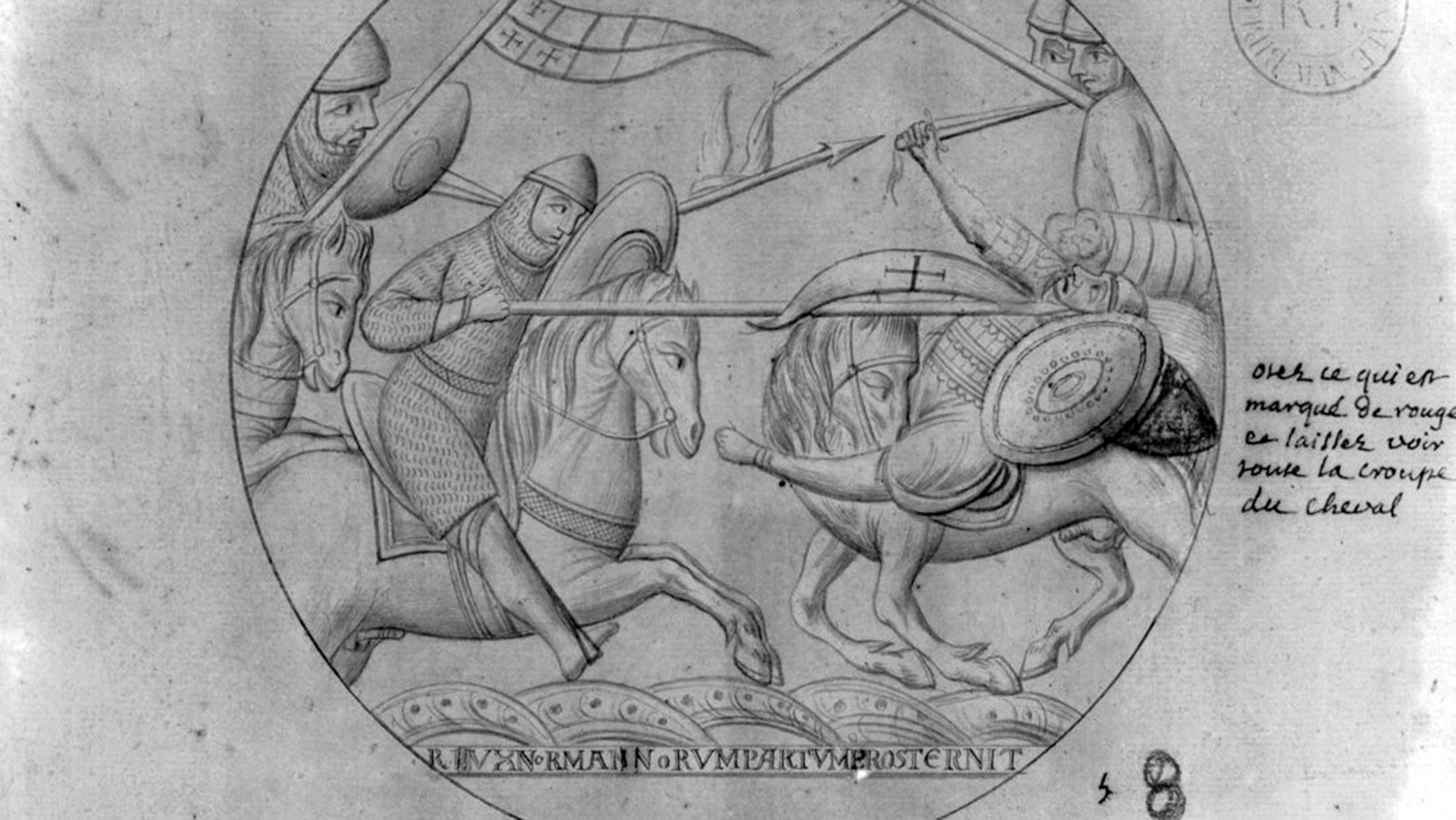
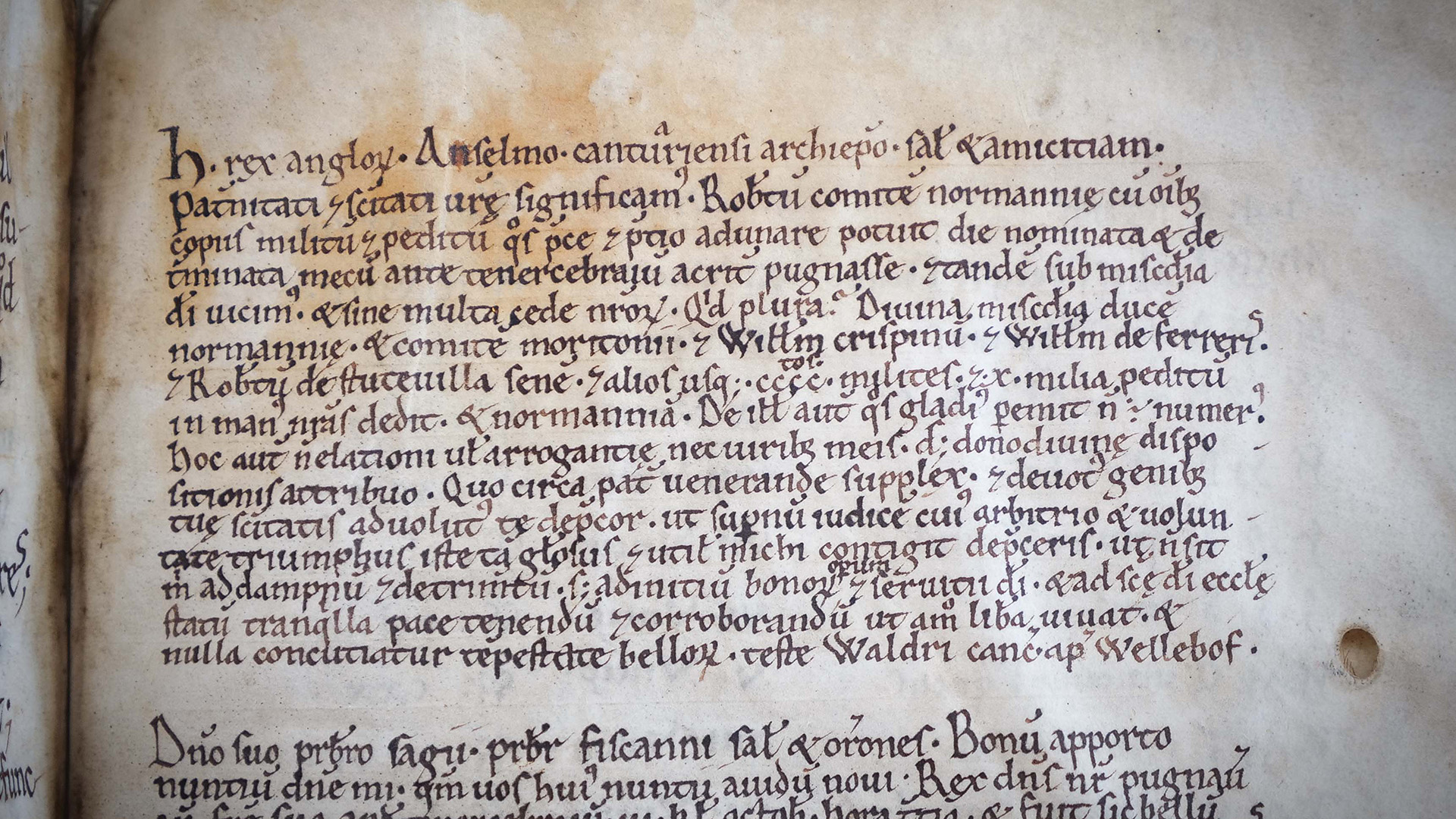
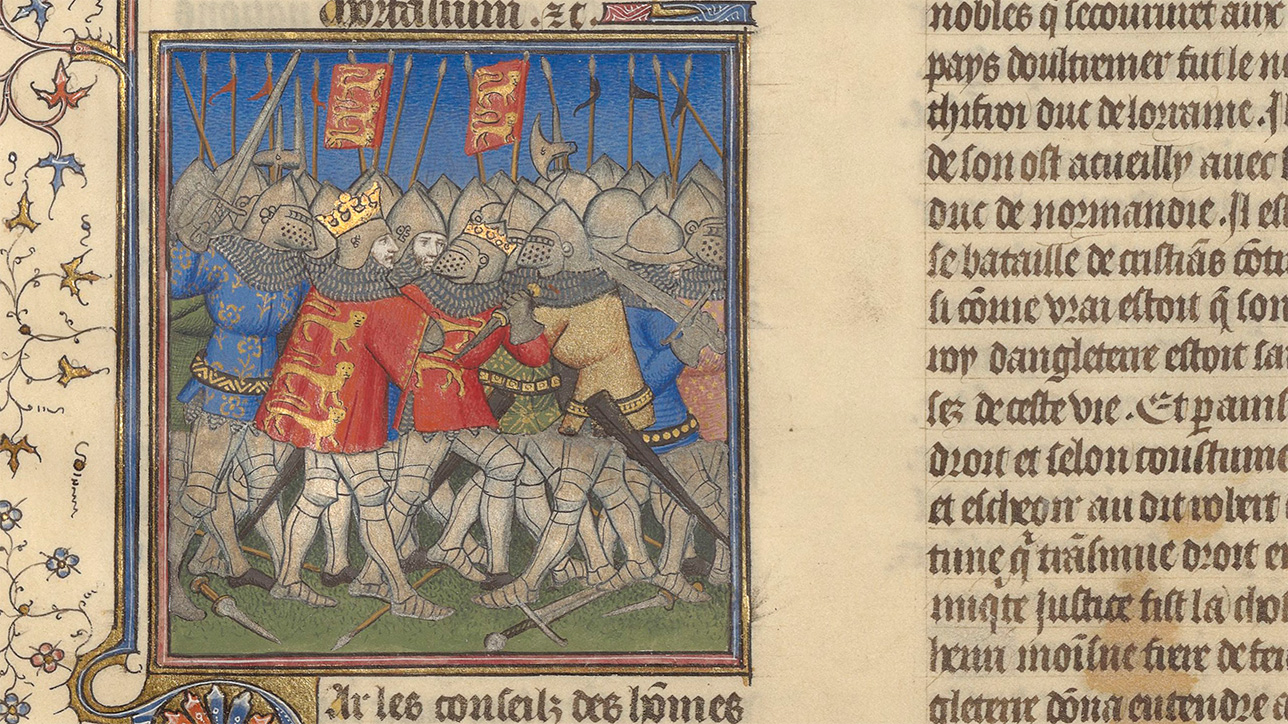
On September 28, 1106, the struggle for the Conqueror’s succession reached its climax beneath the walls of the Norman village of Tinchebray. After an exceptional and decisive battle, Henry captured his brother Robert and, with him, the whole of Normandy.
Yet little is known about this battle, and almost nothing remains of it.
How can a story be told when so few traces survive? How can we reason our way through the vastness of what remains unknown?